Barn Owls
What's the hoot
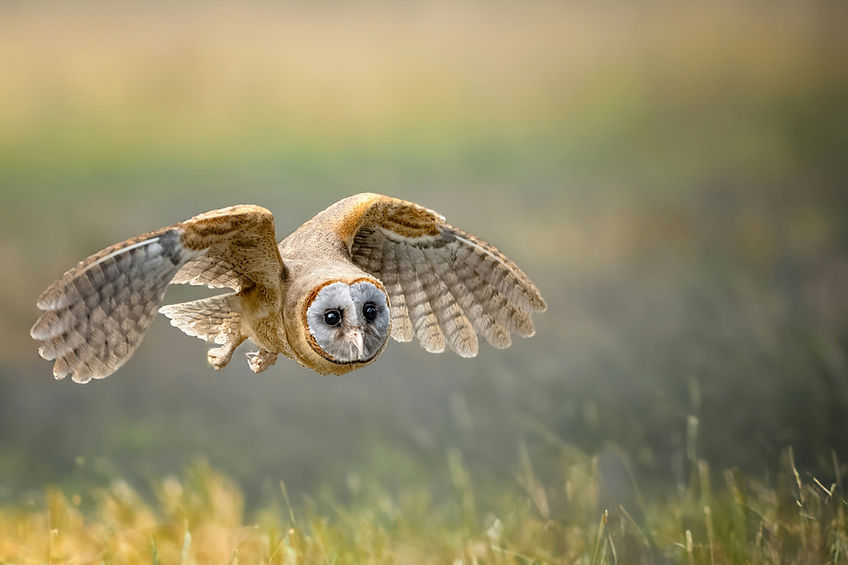
Long before this proposal existed, this land was already home to one of Britain's most treasured, and most threatened birds.
A Roost Going Back Generations
In 2005, the Shropshire Barn Owl Group installed a nestbox inside a modern agricultural building on this farm. In the years since, it has produced 14 owlets.
Nearby, a mature oak tree has a natural cavity that barn owls have used to breed and roost for many generations, long before any nestbox was ever put up. Barn owls are highly site-faithful: once a pair establishes itself somewhere, that location matters to them for years, often for life. Losing this tree, or disturbing this site, would mean losing something that can't simply be recreated elsewhere.
A Species in Serious Decline
The barn owl is on Schedule 1 of the Wildlife and Countryside Act 1981, Britain's highest level of legal protection for a bird species. That protection exists because barn owls need it: Shropshire's breeding population has fallen from an estimated 267 pairs in 1932 to just 141 pairs in 2002, a decline of nearly 50%. As a result, the barn owl is a target species in the Shropshire Biodiversity Action Plan, which aims to help the population recover.
The Shropshire Barn Owl Group, who have monitored this site since 2005, put it plainly: every breeding pair matters to reversing that decline — and any development that risks harming one must be resisted.
A Real and Documented Risk
This isn't a hypothetical concern. At a solar farm in Condover, Shrewsbury, a barn owl was found grounded after flying into the perimeter fence, a buzzard was found in the same condition nearby. Barn owls hunt close to the ground and don't fly high, which makes the kind of perimeter fencing used around solar installations a genuine collision risk. There is currently no data on how many birds are injured this way more widely, which means the true scale of this risk, across all such sites, isn't even known.
Why This Matters Here
This is a Schedule 1 protected species, actively breeding on this exact site, with a documented history going back over twenty years, and a real, evidenced risk of harm from the kind of infrastructure being proposed. We believe that should weigh heavily in any decision about this land's future.

.jpg)